You Won’t Believe These Hidden Art Spaces in Istanbul
Istanbul isn’t just about mosques and bazaars—its art scene is quietly exploding. I wandered into courtyards, converted warehouses, and tucked-away galleries where creativity pulses through every brushstroke and sculpture. These spaces blend tradition with bold modernity, telling stories you won’t find in guidebooks. If you think you know Istanbul, think again—this is art in its most raw, unexpected form. From centuries-old han buildings reborn as contemporary exhibition halls to vibrant street murals that speak of social change, Istanbul’s artistic soul is alive, evolving, and eager to be discovered. This is a city where the past is never buried but reinterpreted, where every neighborhood offers a new canvas, and where art isn’t confined to museums—it breathes in the streets, in studios, and in the quiet corners of daily life. For travelers seeking depth, authenticity, and inspiration, Istanbul’s hidden art spaces offer a journey beyond the postcard.
The Soul of Istanbul Through Art
Istanbul’s art is not created in a vacuum. It emerges from the city’s extraordinary layers of history—Byzantine emperors, Ottoman sultans, and modern republicans have all left their mark on its stones, streets, and spirit. This complex heritage forms the foundation of its contemporary artistic expression. Artists in Istanbul do not merely paint or sculpt; they engage in a continuous dialogue with memory, identity, and transformation. In their works, one might find a reinterpretation of classical calligraphy fused with digital animation, or a ceramic installation echoing the patterns of ancient Iznik tiles but speaking to modern environmental concerns. The city’s unique position—bridging continents, cultures, and eras—makes it a natural incubator for art that questions boundaries and redefines meaning.
What makes Istanbul’s art scene particularly compelling is its ability to honor tradition while fearlessly embracing innovation. Calligraphy, once reserved for sacred texts, is now reimagined on large-scale canvases, blending spiritual heritage with abstract expression. Miniature painting techniques are adapted into contemporary visual storytelling, often critiquing social norms or political shifts. These artistic evolutions are not rebellions against the past but thoughtful conversations with it. The city’s layered identity—East and West, sacred and secular, ancient and modern—provides endless inspiration. Artists draw from this rich well, creating works that resonate with both local audiences and international visitors who seek depth and authenticity.
Moreover, Istanbul’s art spaces often serve as platforms for reflection on collective memory and urban change. As neighborhoods transform due to development and gentrification, artists document these shifts through photography, installation, and performance. Some pieces mourn the loss of historic homes and local businesses, while others celebrate resilience and community. This engagement with social and urban dynamics elevates art beyond decoration—it becomes a form of civic dialogue. Visitors to these spaces are not passive observers but participants in a living conversation about what Istanbul has been, is, and could become. This depth of meaning, combined with visual richness, makes the city’s art scene one of its most powerful yet underrecognized treasures.
Pera Museum: Where History Meets Modern Gaze
Nestled in the historic district of Beyoğlu, the Pera Museum stands as a testament to Istanbul’s ability to honor its past while embracing contemporary discourse. Housed in a beautifully restored 19th-century building that once served as the Bristol Hotel, the museum blends architectural elegance with modern curation. Its façade, adorned with ornate stonework and large arched windows, invites visitors into a space where time seems to pause—yet inside, the energy is dynamic and forward-looking. The museum’s permanent collection includes a remarkable array of 19th-century Orientalist paintings, offering a window into how Western artists once perceived the Ottoman world. While these works reflect a particular historical perspective, they are presented with critical context, encouraging visitors to question the narratives they portray.
Equally compelling are the museum’s rotating contemporary exhibitions, which often feature Turkish and international artists exploring themes of identity, migration, and cultural exchange. One recent exhibition brought together multimedia installations that reinterpreted historical portraiture through digital avatars, blurring the lines between past and present. Another showcased large-scale photographs documenting forgotten corners of Istanbul, highlighting the beauty in decay and everyday life. These exhibitions are carefully curated to create a dialogue between the old and the new, ensuring that the museum remains a relevant and thought-provoking destination. The Pera Museum does not merely display art—it invites contemplation, challenging visitors to see history through fresh eyes.
Beyond the galleries, the museum offers one of Istanbul’s most serene cultural experiences: its rooftop café. Overlooking the bustling İstiklal Avenue and extending toward the Golden Horn, the view is both panoramic and intimate. Sitting with a cup of Turkish tea or coffee, visitors can reflect on what they’ve seen while watching the city move below. This quiet space for pause is intentional—the museum understands that art is not only to be seen but also to be felt and processed. Educational programs, guided tours, and artist talks further enrich the experience, making the Pera Museum accessible to families, scholars, and casual visitors alike. It stands as a model of how cultural institutions can be both intellectually rigorous and emotionally resonant.
Rahmi M. Koç Museum: Industrial Art with a Story
On the shores of the Golden Horn, in a repurposed 19th-century ferry terminal and tobacco warehouse, lies the Rahmi M. Koç Museum—a unique fusion of industry, innovation, and artistry. Unlike traditional art museums, this space celebrates the beauty of function, presenting vintage machines, restored vessels, and historical inventions as works of creative engineering. Founded by industrialist Rahmi M. Koç, the museum reflects a deep respect for craftsmanship and technological progress. Its collection spans transportation, communication, and industrial design, including vintage cars, locomotives, aircraft, and even a fully operational steam engine. These objects are not displayed as relics but as testaments to human ingenuity—each one a sculpture shaped by purpose and precision.
What makes this museum particularly special is its ability to transform technical exhibits into aesthetic experiences. The lighting, layout, and presentation emphasize form, symmetry, and detail, encouraging visitors to appreciate the artistry in mechanical design. A 1920s Rolls-Royce is not just a car but a rolling sculpture of polished wood and gleaming chrome. A restored Ottoman-era printing press becomes a monument to the evolution of knowledge. Even the building itself—a blend of industrial architecture and modern museum design—contributes to the experience. The vast open halls, exposed brickwork, and natural light create a cathedral-like atmosphere where machinery feels almost sacred.
The museum also features interactive displays that engage visitors of all ages. Children can operate miniature cranes, send Morse code messages, or explore the interior of a real submarine. These hands-on experiences make learning joyful and memorable, reinforcing the idea that creativity is not limited to painting or music—it thrives in engineering, problem-solving, and invention. Seasonal exhibitions often highlight the intersection of art and technology, such as digital installations that visualize sound or light sculptures powered by renewable energy. By framing industrial history as a form of artistic expression, the Rahmi M. Koç Museum expands the definition of what art can be. It is a place where curiosity is rewarded, and where the past inspires future innovation.
Borusan Contemporary: Art in a Revived Han
On the waterfront in Beyoğlu, a 19th-century Ottoman warehouse has been transformed into Borusan Contemporary, a leading space for new media and environmental art. The building, once part of Istanbul’s bustling port economy, now serves as a cultural beacon, demonstrating how historic structures can be adapted for modern artistic expression. The restoration preserved original wooden beams, stone walls, and maritime elements, creating a dialogue between the building’s industrial past and its current role as a hub for digital and conceptual art. Natural light filters through large windows, illuminating video installations, soundscapes, and interactive works that respond to the rhythms of the city and the sea.
The museum’s programming is deeply committed to themes of sustainability, urban life, and technological change. One notable exhibition featured a series of video projections that visualized Istanbul’s air and water quality in real time, turning environmental data into moving abstract art. Another showcased augmented reality pieces that allowed visitors to see ghostly overlays of the city’s historical landscapes through tablets, blending past and present in a single view. These works do not merely decorate space—they provoke thought, inviting audiences to consider their relationship with the environment and with technology. The museum also supports emerging Turkish artists, providing residencies and exhibition opportunities that foster local talent.
Borusan Contemporary is more than a gallery; it is a center for dialogue and education. Regular public programs include artist talks, film screenings, and workshops on digital art and environmental awareness. The space is welcoming to families and individuals, with clear explanations and accessible technology that demystify new media art. Its location on the Bosphorus adds to the experience—the sound of waves, the sight of passing ferries, and the ever-changing light create a meditative backdrop for artistic engagement. By combining historical preservation with cutting-edge creativity, Borusan Contemporary exemplifies how cities can honor their heritage while embracing the future. It is a model of sustainable cultural development, proving that old buildings can house new ideas.
Street Art in Kadıköy: The People’s Gallery
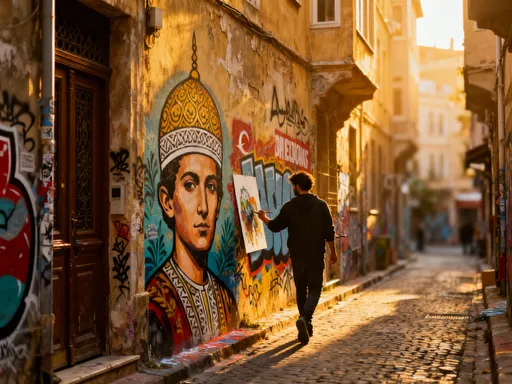
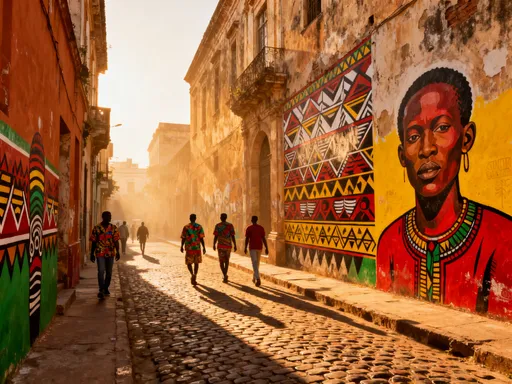
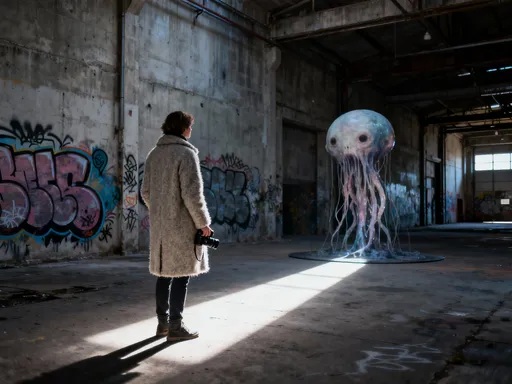
On the Anatolian side of Istanbul, the neighborhood of Kadıköy pulses with creative energy. Far from the grand museums and formal galleries, its narrow streets and building facades serve as an open-air canvas for local artists and collectives. This is where art belongs to the people—unfiltered, bold, and often politically charged. Murals depict everything from mythical creatures inspired by Anatolian folklore to powerful statements on environmental protection, gender equality, and urban rights. One wall shows a child holding a dandelion, its seeds transforming into birds flying over Istanbul’s skyline—a poetic commentary on hope and freedom. Another features a giant octopus wrapping its arms around the city, symbolizing the overwhelming force of gentrification.
Kadıköy’s street art scene is largely grassroots, driven by local initiatives rather than institutional funding. Artist collectives organize mural projects, often in collaboration with residents, turning neglected walls into vibrant community landmarks. These collaborations ensure that the art reflects the neighborhood’s identity and concerns. Some pieces are temporary, painted over after months or seasons, while others become beloved fixtures of the streetscape. The impermanence of the art adds to its authenticity—it is not created for permanence but for impact, for conversation, for now. Walking through Kadıköy feels like moving through a living gallery, where every corner offers a new surprise and a new perspective.
What makes this scene especially meaningful is its accessibility. Unlike museum art, which may require admission fees or cultural familiarity, street art is free and immediate. Children point at colorful characters, elders pause to read poetic inscriptions, and tourists snap photos with genuine delight. The art does not speak only to the elite—it speaks to everyone. Some murals include QR codes that link to audio stories or artist interviews, deepening the connection between creator and viewer. Seasonal events like Kadıköy Art Walk bring even more attention to the area, drawing crowds to open studios, pop-up exhibitions, and live painting sessions. This democratization of art is one of Istanbul’s most inspiring cultural developments, proving that creativity thrives when it is rooted in community.
Artists’ Studios in Cihangir and Karaköy
The neighborhoods of Cihangir and Karaköy, perched along the Golden Horn, have long been magnets for Istanbul’s creative class. Once modest residential and commercial districts, they have evolved into vibrant hubs for artists, designers, and independent thinkers. Their charm lies in their intimacy—narrow streets, historic buildings, and views of the water create an atmosphere that inspires reflection and experimentation. Here, studios are tucked into former apartments, basements, and repurposed shops, often marked only by a small sign or an open door revealing a splash of color. These spaces are not showrooms but workshops, where the process of creation is visible, raw, and ongoing.
Visiting these studios offers a rare glimpse into the lives of working artists. A ceramicist might be shaping clay on a wheel, her hands moving with practiced ease. A painter could be stepping back from a large canvas, considering the next stroke. A textile designer may be arranging natural dyes made from local plants, connecting her work to centuries of Anatolian craft. These artists often welcome visitors, sharing stories about their influences, techniques, and daily routines. Some offer small workshops or sell limited-edition prints and handmade goods, creating direct connections between creator and audience. This transparency fosters a sense of trust and intimacy that is difficult to achieve in formal galleries.
The rise of Cihangir and Karaköy as creative centers is no accident. Their proximity to cultural institutions, public transportation, and the water makes them convenient and inspiring. More importantly, they have retained a sense of community that larger, more commercial districts have lost. Artists support one another, collaborate on projects, and participate in local events. Open studio days, held several times a year, invite the public to explore these hidden spaces, turning the neighborhood into a temporary festival of creativity. For visitors, these experiences are unforgettable—walking into a small studio and seeing a work in progress creates a powerful emotional connection. It reminds us that art is not just a product but a process, born from dedication, struggle, and vision.
Independent Galleries & Pop-Up Spaces
Beyond the established institutions, Istanbul’s most exciting art happens in unofficial spaces—pop-up galleries, artist-run collectives, and temporary exhibitions in abandoned buildings. These spaces thrive on spontaneity, risk, and community. One month, a disused textile factory in Üsküdar might host a multimedia installation about memory and migration. The next, a former bookstore in Galata could become a week-long exhibition of feminist photography. These projects are often organized through word of mouth, social media, and local networks, relying on passion rather than large budgets. What they lack in permanence, they make up for in authenticity and urgency.
Independent galleries like Pilot and Galeri Nev play a crucial role in nurturing emerging talent. They take chances on young artists, experimental formats, and politically sensitive themes that larger institutions might avoid. Their exhibitions are intimate, often limited to a single room or floor, creating a sense of exclusivity and focus. Visitors engage deeply with the work, sometimes even speaking directly with the artist during opening nights. These moments of connection are invaluable—art becomes a conversation, not a monologue. Curators in these spaces act as mediators, storytellers, and advocates, shaping narratives that challenge, comfort, or inspire.
Seasonal events like Istanbul Art Week and the Contemporary Istanbul fair amplify the reach of these independent spaces, drawing collectors, critics, and curious locals into the city’s broader art ecosystem. Yet, the true magic lies in the unplanned discoveries—the flyer spotted in a café, the mural leading to a hidden courtyard, the friend who says, “You have to see this.” These moments capture the essence of Istanbul’s art scene: it is alive, unpredictable, and deeply human. It does not wait to be found in guidebooks; it reveals itself to those who wander with open eyes and an open heart.
Conclusion
Istanbul’s art spaces reveal a city in constant conversation with itself. They are not just places to see art—they invite you to feel its pulse, question its past, and imagine its future. Whether in a grand museum or a graffiti-covered wall, creativity here is alive, urgent, and deeply human. The city’s layered history, from Byzantine mosaics to Ottoman calligraphy, continues to inspire artists who reinterpret tradition in bold new ways. At the same time, grassroots movements ensure that art remains accessible, relevant, and responsive to contemporary life. From the industrial grandeur of the Rahmi M. Koç Museum to the intimate studios of Cihangir, from the digital experiments at Borusan Contemporary to the vibrant murals of Kadıköy, Istanbul offers a rich and diverse artistic landscape.
What makes this scene truly special is its balance between preservation and innovation. Historic buildings are not demolished but revived, their stories woven into new cultural narratives. Artists do not reject the past but engage with it, creating work that is both rooted and revolutionary. For the thoughtful traveler, especially women between 30 and 55 who value culture, authenticity, and meaningful experiences, Istanbul’s hidden art spaces offer a journey of discovery and connection. This is not tourism as spectacle, but as participation—a chance to listen, reflect, and be moved. Next time you visit, look beyond the landmarks—let art guide your way. Walk slowly, look closely, and allow the city’s creative spirit to reveal itself, one brushstroke at a time.