You Won’t Believe These 7 Sides of Almaty – A Local’s Real Take
Almaty isn’t just Kazakhstan’s largest city — it’s a living mosaic of neighborhoods, each with its own heartbeat. From Soviet-era charm to sleek modern hubs, I’ve explored every corner to show you what maps won’t. Whether you're chasing mountain views, café culture, or authentic bazaars, the real magic is in how these districts tell Almaty’s evolving story. Let’s dive into the neighborhoods that define this underrated gem — no tourist traps, just honest insights.
Introduction: Why Almaty’s Districts Tell the Real Story
Almaty, nestled against the dramatic backdrop of the Trans-Ili Alatau mountains, is more than a city — it’s a layered narrative of history, culture, and transformation. As the former capital of Kazakhstan and still its largest urban center, Almaty has long served as a cultural crossroads between Central Asia, Russia, and the wider Silk Road world. Its urban fabric reflects decades of change, from its origins as a modest settlement known for apple orchards to its expansion under Soviet planning and its current evolution into a cosmopolitan hub.
The city’s districts are not merely administrative zones — they are distinct characters in Almaty’s ongoing story. Each neighborhood carries a unique rhythm, shaped by architecture, demographics, and daily life. While many visitors focus on a handful of well-known attractions, the true depth of Almaty reveals itself when you move beyond the postcard sights and explore these districts on foot. Understanding Almaty through its neighborhoods allows travelers to experience not just what the city looks like, but how it lives, breathes, and adapts.
From the grand boulevards of the city center to the bustling markets of Panfilov and the quiet academic corners of Bostandyk, each area offers a different lens on Kazakh identity and urban life. This kind of experiential travel — where you engage with local routines, tastes, and spaces — fosters a deeper connection than any guided tour could provide. It’s about seeing the city as residents do: not as a series of monuments, but as a collection of lived-in places where history and modernity coexist.
Moreover, Almaty’s district-based character makes it ideal for personalized exploration. Whether you're drawn to cultural institutions, mountain access, or vibrant street life, there’s a part of the city that aligns with your interests. By understanding the essence of each neighborhood, visitors can craft more meaningful itineraries, avoid overcrowded spots, and discover the authentic pulse of Central Asia’s most dynamic metropolis.
Central Almaty – The Heartbeat of the City
The core of Almaty beats strongest in its central district, where wide avenues, historic buildings, and civic spaces converge to form the city’s symbolic and administrative nucleus. Republic Square, framed by the imposing Ak Orda Presidential Residence and the Government House, stands as a testament to Kazakhstan’s post-independence identity. Though not open to the public for tours, the square’s grand scale and neoclassical architecture convey a sense of national pride and order. It’s here that state ceremonies are held, and where locals occasionally gather for national holidays, often enjoying the surrounding fountains and landscaped gardens.
Zhibek Zholy Avenue, the city’s most famous pedestrian thoroughfare, extends from Republic Square like a ribbon through the heart of downtown. Lined with chestnut trees, elegant lampposts, and a mix of early 20th-century and Soviet-era buildings, this tree-shaded promenade is perfect for a leisurely stroll. Along its length, you’ll find bookstores, souvenir shops, and outdoor cafes where residents sip tea and watch the world go by. The avenue also hosts the city’s New Year celebrations and seasonal markets, making it a living space that adapts to the rhythms of the year.
Cultural institutions are also concentrated in this area. The Abay Opera House, with its ornate façade and grand interior, hosts performances of classical music and ballet, drawing both local patrons and international guests. Nearby, the Central State Museum offers a comprehensive look at Kazakhstan’s history, from ancient nomadic civilizations to the Soviet period and modern independence. Its exhibits, including traditional costumes, archaeological finds, and historical documents, provide essential context for understanding the nation’s journey.
For first-time visitors, Central Almaty is the ideal starting point. Its walkability, central location, and concentration of landmarks make it easy to orient oneself. Public transport links radiate outward from this hub, allowing seamless access to other districts. While it lacks the raw authenticity of residential neighborhoods, the center offers a curated introduction to Almaty’s identity — a blend of formality, history, and civic life that sets the stage for deeper exploration.
Panfilov District – Where Tradition Meets Daily Life
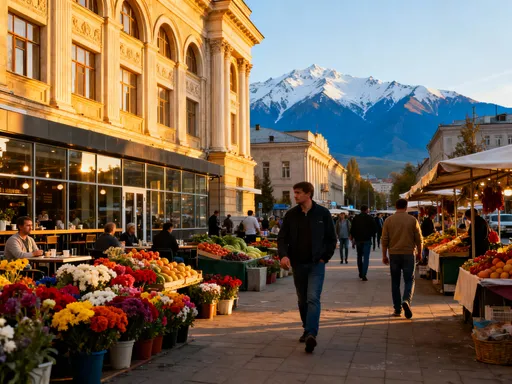
If Central Almaty represents the city’s formal face, Panfilov District reveals its soul. This neighborhood, named after the Soviet general Ivan Panfilov, is best known for housing the Green Bazaar — Zelyony Bazaar — one of the largest and most vibrant markets in Central Asia. More than just a place to shop, the bazaar is a sensory immersion into local life. The air hums with the chatter of vendors, the scent of fresh herbs, smoked meats, and warm bread wafting through covered alleys lined with stalls.
Here, visitors can find everything from mountains of dried apricots and walnuts to wheels of salty qurt (dried cheese) and hand-rolled noodles. Butchers display succulent cuts of lamb, while farmers offer organic honey, fresh dairy, and seasonal fruits like melons and pomegranates. The produce section is especially impressive — a colorful testament to Kazakhstan’s agricultural richness, with apples (a nod to Almaty’s name, derived from “alma,” meaning apple) taking center stage.
The Green Bazaar is not just for tourists seeking exotic flavors — it’s where Almaty residents do their weekly shopping. Observing the swift negotiations between buyers and sellers, the practiced hands selecting the ripest tomatoes, or the elderly women bargaining over bunches of dill offers a genuine glimpse into everyday Kazakh life. For travelers, navigating the bazaar can be both exhilarating and slightly overwhelming, but a smile and basic courtesy go a long way. Cash is still preferred, though some vendors now accept mobile payments.
Nearby, the Ascension Cathedral — also known as Zenkov Cathedral — rises like a jewel from the surrounding park. Built entirely of wood without nails in the early 20th century, this Russian Orthodox church is one of the tallest wooden buildings in the world. Its colorful, onion-shaped domes and intricate carvings contrast beautifully with the greenery of Panfilov Park, where locals walk their dogs, children play, and couples relax on benches. The peaceful atmosphere makes it a favorite spot for quiet reflection, especially in the early morning or late afternoon.
Panfilov District, therefore, offers a rare balance: the energy of a working market and the serenity of a historic landmark, both deeply rooted in local tradition. It’s a place where past and present coexist, and where visitors can engage with Almaty not as a spectator, but as a participant in daily rhythms.
Almaly District – The Modern Face of Almaty
Just a short walk from the historic core, Almaly District presents a striking contrast — a vision of Almaty’s modern aspirations. This area has undergone significant transformation in the past two decades, emerging as the city’s premier destination for shopping, dining, and urban lifestyle. At its center stands Mega Park, one of the largest shopping malls in Central Asia. Inside, international brands, a multiplex cinema, a food court with global cuisines, and a hypermarket cater to a growing middle and upper class.
But Almaly is more than just retail. The district is dotted with boutique cafes, co-working spaces, and fitness centers that reflect a new urban culture. Young professionals sip artisan coffee in minimalist interiors, while families gather in open plazas for weekend events. Restaurants serve everything from Italian pasta to Japanese sushi, often with outdoor seating that takes advantage of Almaty’s sunny climate. This cosmopolitan atmosphere makes Almaly particularly appealing to expatriates and affluent locals alike.
Architecturally, the district blends sleek glass-fronted towers with older Soviet-era apartment blocks, creating a visual dialogue between old and new. Some of these older buildings have been renovated, their facades updated while preserving their original structure. New residential complexes offer modern amenities like underground parking, concierge services, and landscaped courtyards, attracting families and investors seeking comfort and convenience.
Urban renewal projects have also improved public spaces. Pedestrian zones, bike lanes, and upgraded lighting make the area more walkable and inviting. Local authorities have invested in green spaces, planting trees and installing public art to enhance the district’s appeal. These changes reflect a broader trend in Almaty — the desire to create livable, modern urban environments without erasing the city’s character.
For visitors, Almaly offers a comfortable and familiar environment, especially those accustomed to city life in Europe or North America. It’s an excellent base for travelers who value convenience, safety, and access to international services. Yet, it’s worth noting that this modernity comes with a trade-off — a certain uniformity that can feel detached from the deeper cultural textures found in other parts of the city. Almaly is best appreciated as one facet of Almaty’s identity, not the whole picture.
Nauryzbay District – Rising Urban Energy at the City’s Edge
Stretching toward the southeastern edge of Almaty, Nauryzbay District is where the city’s future is being built — literally. Once a peripheral zone of scattered housing and open land, it has rapidly transformed into a hub of new residential and commercial development. High-rise apartment complexes, modern office buildings, and shopping centers now define its skyline, drawing young professionals, entrepreneurs, and growing families seeking more space and contemporary living standards.
The growth of Nauryzbay is driven by several factors. First, land has been more available here than in the crowded city center, allowing for large-scale urban planning. Second, improvements in public transportation — including expanded trolleybus and bus routes — have made the district more accessible. Third, private investment has poured into infrastructure, schools, and retail, creating a self-contained urban environment that reduces the need to commute downtown.
One of the most notable developments is the rise of gated communities and business parks that combine residential, commercial, and recreational spaces. These complexes often include gyms, children’s playgrounds, and landscaped parks, promoting a balanced lifestyle. Some even feature their own clinics and grocery stores, enhancing convenience and security. While this model of urban living is relatively new to Almaty, it is gaining popularity among those who value order, cleanliness, and modern amenities.
Nauryzbay also reflects shifting social dynamics. As more young, educated Kazakhs return from studying abroad or choose to stay in Almaty rather than move to other countries, they bring with them expectations for high-quality urban living. This demographic is driving demand for better public services, eco-friendly design, and digital connectivity — all of which are increasingly visible in the district’s new developments.
For travelers, Nauryzbay may not offer the historical charm of the city center or the cultural depth of Panfilov, but it provides valuable insight into Almaty’s direction. It’s a place where the city’s economic momentum is most visible, where innovation and ambition shape the urban landscape. Strolling through its wide avenues and modern plazas, one can sense the energy of a city reinventing itself for the 21st century.
Bostandyk District – Cultural Hubs and Green Escapes
Bostandyk District stands out as Almaty’s intellectual and recreational heart. Home to the Kazakhstan University of Arts, the Philharmonic Hall, and several major museums, this area fosters a contemplative, creative atmosphere that contrasts with the commercial energy of Almaly or the bustling life of Panfilov. The district’s wide boulevards and tree-lined streets are frequented by students, artists, and academics, giving it a calm, studious vibe.
The Kasteev Art Museum, dedicated to one of Kazakhstan’s most celebrated painters, houses an extensive collection of national art, from traditional Kazakh motifs to Soviet-era realism and contemporary works. Exhibitions here often explore themes of identity, nature, and heritage, offering visitors a deeper understanding of Kazakh culture beyond stereotypes. Nearby, the Museum of Folk Musical Instruments showcases beautifully crafted dombra, kobyz, and other traditional instruments, many of which are still used in performances today.
But Bostandyk is not just about indoor culture — it’s also a gateway to Almaty’s natural beauty. The Medeu skating rink, located at the edge of the district, sits at an altitude of 1,691 meters and is surrounded by the foothills of the Tien Shan mountains. Once a world-record-setting speed skating venue, it now serves as a popular recreational spot year-round. In winter, locals glide across the ice, while in summer, the area becomes a hub for hiking, picnicking, and cable car rides up to Shymbulak Ski Resort.
The trolleybus route that connects Bostandyk to Medeu is itself a scenic journey, winding through pine forests and offering panoramic views of the city below. Many residents use this route for weekend escapes, packing thermoses of tea and snacks for a day in the mountains. The accessibility of nature from an urban district is one of Almaty’s greatest advantages, and Bostandyk exemplifies this unique blend of city and wilderness.
For visitors interested in culture and outdoor activities, Bostandyk offers a balanced experience. It’s quiet enough for relaxation, yet rich in attractions. Staying in or near this district allows easy access to both intellectual pursuits and physical adventures, making it ideal for travelers who want to engage with Almaty on multiple levels.
Tourist-Friendly vs. Local-Favorite Zones – How to Choose
One of the most important decisions for any traveler is where to stay — and in Almaty, that choice shapes the entire experience. The city’s districts vary significantly in atmosphere, accessibility, and offerings, so aligning your accommodation with your travel goals is crucial. For first-time visitors seeking convenience and a broad overview, Central Almaty or Almaly District are the most practical choices. They offer easy access to major attractions, reliable public transport, and a range of hotels from mid-range to luxury.
Those interested in cultural immersion might prefer Panfilov or Bostandyk, where daily life unfolds at a more authentic pace. Staying in a guesthouse near the Green Bazaar or renting an apartment near the Philharmonic allows deeper engagement with local routines. These areas may have fewer international restaurants, but they offer richer human connections and a stronger sense of place.
Safety is generally not a concern in any of Almaty’s central districts. Crime rates are low, and locals are typically welcoming to respectful visitors. However, it’s wise to remain aware of your surroundings, especially at night, and to use official taxis or ride-hailing apps rather than hailing cabs on the street. Public transportation is efficient and affordable, with buses, trolleybuses, and a small metro system connecting key areas.
Accessibility also varies. While Central Almaty and Almaly are well-served by transport, districts like Nauryzbay may require longer commutes to reach major sights. Travelers with mobility challenges should note that sidewalks can be uneven, and not all buildings are equipped with elevators or ramps. That said, many newer hotels and malls are designed with accessibility in mind.
Ultimately, the best choice depends on your travel style. Leisure travelers may prioritize comfort and convenience, while cultural explorers might value authenticity and local interaction. Business travelers often choose Almaly for its proximity to offices and international services. By understanding the character of each district, visitors can make informed decisions that enhance their experience and allow them to see Almaty not just as a destination, but as a living, evolving city.
Conclusion: Seeing Almaty Through Its Neighborhoods
Almaty is not a city that can be understood in a single visit or through a checklist of attractions. Its essence lies in the diversity of its districts — each with its own history, rhythm, and contribution to the urban whole. From the formal grandeur of the center to the vibrant chaos of the Green Bazaar, from the modern sleekness of Almaly to the academic calm of Bostandyk, these neighborhoods together form a portrait of a city in motion.
To truly appreciate Almaty is to move beyond the postcard views and embrace its contrasts. It’s to walk its streets not as a tourist, but as an observer of life — to taste its foods, listen to its languages, and feel its changing seasons. The city’s Soviet past, independent present, and global future are all visible in its architecture, markets, and people.
For the curious traveler, Almaty offers something rare: a Central Asian metropolis that is both accessible and authentic. It doesn’t rely on ancient ruins or exotic stereotypes to draw interest. Instead, it invites exploration through its neighborhoods — each one a chapter in a story of resilience, reinvention, and quiet pride. By taking the time to understand these districts, visitors don’t just see Almaty — they begin to feel at home in it.
So the next time you plan a trip to Central Asia, consider Almaty not as a stopover, but as a destination worth knowing deeply. Let its neighborhoods guide you. Walk its avenues, chat with its residents, and savor its flavors. In doing so, you’ll discover a city that is not just surviving, but thriving — one district at a time.