How I Finally Fixed My Bone Health—And You Can Too
I used to think bone health was just for older people—until I started feeling joint stiffness and low energy. That’s when I realized my body needed repair from within. Turns out, strong bones aren’t built overnight, but with simple, consistent habits, real improvement is possible. This is what worked for me as a total beginner, and why you might want to start now too.
The Wake-Up Call: Why Bone Health Matters Earlier Than You Think
For years, I dismissed minor aches and occasional stiffness as normal signs of aging. I was in my early 40s, juggling family, work, and daily responsibilities, so fatigue felt inevitable. But when climbing stairs began to cause discomfort in my knees and I noticed I was recovering more slowly from everyday activities, I knew something was off. I assumed joint pain was just part of getting older—until a routine conversation with my doctor changed everything. She gently reminded me that bone health isn’t a concern that suddenly appears at 60. In fact, the foundation for strong bones is built throughout life, and the choices we make in midlife can significantly influence long-term skeletal strength.
One of the most common misconceptions is that bones are static, unchanging structures—like concrete pillars holding us up. But the truth is far more dynamic. Bones are living tissues that constantly renew themselves through a process called bone remodeling. This natural cycle involves the removal of old bone tissue by cells called osteoclasts and the formation of new bone by osteoblasts. In youth, bone formation typically outpaces breakdown, leading to peak bone mass around age 30. After that, the balance gradually shifts, and without proper support, bone density can decline over time. The earlier we understand this, the better equipped we are to support our skeletal system before problems arise.
What surprised me most was learning that bone loss often happens silently. Unlike a sprained ankle or a pulled muscle, weakening bones don’t always send urgent warning signals. By the time symptoms like frequent fractures or noticeable height loss appear, significant damage may have already occurred. That’s why experts emphasize prevention and early intervention. Bone remodeling continues throughout life, but its efficiency slows with age, especially in women after menopause due to declining estrogen levels. Recognizing the signs—such as unexplained fatigue, reduced mobility, or persistent joint discomfort—can be the first step toward meaningful change. My journey began not with a diagnosis, but with awareness—and that made all the difference.
What No One Tells Beginners About Bone Repair
When I first looked into improving my bone health, I assumed calcium was the only nutrient that mattered. After all, that’s what most advertisements and public health messages emphasize. But I quickly learned that calcium is just one piece of a much larger puzzle. Without the right supporting nutrients, calcium alone can’t be properly absorbed or directed to where it’s needed most. Vitamin D plays a crucial role in helping the body absorb calcium from food, while vitamin K2 ensures that calcium is deposited into the bones rather than accumulating in soft tissues like arteries. Magnesium, another often-overlooked mineral, supports bone structure and activates vitamin D. Together, these nutrients work in harmony to maintain skeletal integrity.
Beyond nutrition, movement is equally essential—yet frequently underestimated. Many people believe that rest is best for aching joints or weak bones, but the opposite is true. Bones respond to mechanical stress; they strengthen when subjected to weight-bearing activity. This doesn’t mean lifting heavy weights or intense workouts. Even gentle forces, like walking or standing, signal bone cells to stay active and rebuild. This concept, known as Wolff’s Law, explains how bone adapts to the demands placed upon it. When we remain sedentary, bones receive fewer signals to maintain density, which can accelerate loss over time. The key is consistent, moderate loading—something accessible at any fitness level.
Lifestyle factors also play a quiet but powerful role. Chronic stress, for example, increases cortisol levels, a hormone that, in excess, can interfere with bone formation and promote breakdown. Poor sleep disrupts the body’s natural repair cycles, including those involved in tissue regeneration. Even daily habits like excessive caffeine or alcohol intake can negatively affect calcium balance and bone metabolism. These influences don’t operate in isolation—they interact, creating a cumulative effect on skeletal health. Addressing them isn’t about perfection, but about making sustainable shifts that support the body’s ability to heal and renew. Once I understood how interconnected these elements were, I stopped searching for quick fixes and began focusing on holistic, science-backed habits.
My First Step: Ditching the All-or-Nothing Mindset
Like many people, I initially approached bone health with an all-or-nothing attitude. I thought I needed to overhaul my entire life—join a gym, follow a strict diet, track every nutrient. The pressure was overwhelming, and predictably, I burned out within weeks. What finally helped was shifting my mindset from dramatic transformation to gradual progress. I decided to start with just five minutes of intentional movement each day. It didn’t have to be impressive or intense—just something that got me on my feet and engaged my muscles. I began with simple standing stretches in the morning, then added short walks after dinner. These tiny actions felt manageable, and over time, they became automatic.
What I didn’t expect was how quickly I started noticing subtle improvements. Within a few weeks, my posture felt straighter. I caught myself standing taller without effort. The familiar creaking in my knees when I stood up became less frequent. I wasn’t measuring results on a scale or comparing myself to others—these were personal wins, small but meaningful indicators that my body was responding. They reinforced the idea that consistency, not intensity, was the real driver of change. Research supports this: studies show that even low-impact, regular physical activity can stimulate bone turnover and improve joint function over time. The magic wasn’t in pushing harder, but in showing up, day after day.
This shift in perspective transformed my approach. Instead of waiting for motivation, I focused on building habits that fit into my existing routine. I stopped seeing bone health as a separate project and began integrating it into my daily life. On busy days, five minutes was enough. On better days, I extended my walk or added a few bodyweight squats. The flexibility removed the pressure of perfection, making it easier to stay on track. Most importantly, I learned to celebrate progress, no matter how small. Each step forward, no matter how tiny, contributed to a stronger foundation. That mindset—patient, persistent, and kind to myself—became the cornerstone of my journey.
The Food Shift: Eating for Stronger Bones Without Diet Overhauls
Changing my diet used to feel intimidating. I imagined giving up everything I enjoyed and surviving on salads and supplements. But I discovered that meaningful nutritional improvements don’t require drastic changes. Instead of overhauling my meals, I focused on simple swaps and gradual additions. One of the first things I changed was replacing sugary sodas with mineral-rich sparkling water. Not only did this reduce my sugar intake, but many mineral waters contain naturally occurring calcium and magnesium—two key players in bone health. I also began adding a handful of leafy greens to my meals, whether it was spinach in scrambled eggs or kale in soups. These small tweaks didn’t feel restrictive; they felt like upgrades.
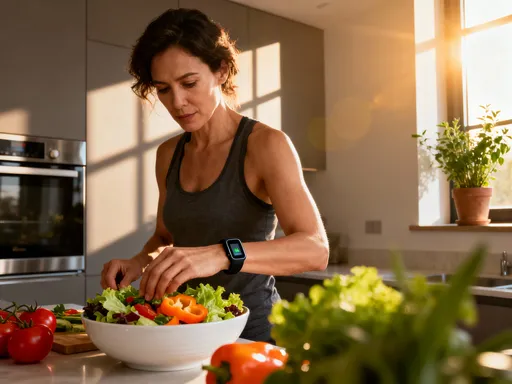
Another turning point was discovering bone-supportive foods I genuinely enjoyed. I used to think dairy was the only source of calcium, but I learned that fortified plant-based milks, canned sardines with bones, almonds, and even tofu can provide substantial amounts. I started experimenting with recipes—adding sesame seeds to stir-fries, blending chia seeds into smoothies, and using yogurt as a base for homemade dressings. Over time, these ingredients became staples, not sacrifices. I also paid attention to how I combined foods. For example, pairing vitamin C-rich vegetables like bell peppers with iron-rich lentils helped improve nutrient absorption, while eating fatty fish like salmon provided both omega-3s and vitamin D.
Meal planning became less about restriction and more about nourishment. I created a few go-to dishes that naturally supported my goals: a morning oat bowl with almond butter and berries, a midday salad with chickpeas and dark greens, and a simple baked fish dinner with roasted vegetables. These meals weren’t labeled “bone-healthy”—they were just balanced, satisfying foods that happened to support my body’s needs. I avoided labeling foods as “good” or “bad,” which helped me maintain a positive relationship with eating. Nutrition isn’t about perfection; it’s about patterns over time. By making sustainable, enjoyable changes, I built a way of eating that supported my bones without making me feel deprived.
Movement That Actually Helps—Not Hurts—Your Bones
One of the biggest breakthroughs in my journey was realizing that not all exercise is equally beneficial for bone health. For years, I focused on long cardio sessions—walking, cycling, swimming—thinking that any activity was better than none. While these are excellent for heart health and endurance, they don’t provide the kind of mechanical load that stimulates bone growth. What bones need is weight-bearing and resistance-based movement. Walking, when done with intention, can be effective—especially if you add slight inclines, vary your pace, or carry light hand weights. But to truly support bone density, incorporating strength training is essential.
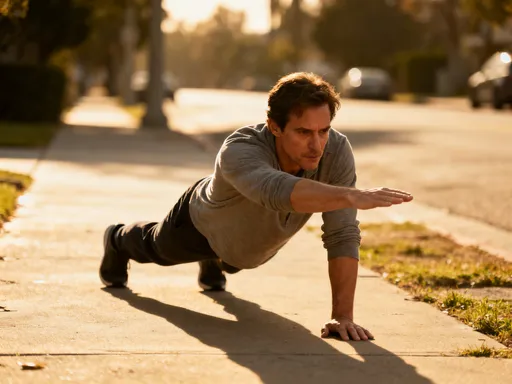
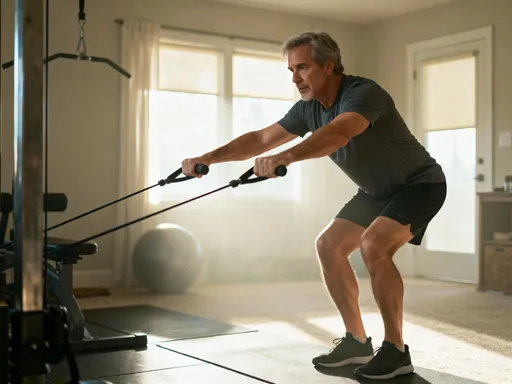
I started with bodyweight exercises because they required no equipment and could be done at home. Simple movements like wall push-ups, seated leg lifts, and standing heel raises engaged major muscle groups and applied gentle stress to the bones. I followed online videos designed for beginners, ensuring proper form to avoid strain. Over time, I progressed to using resistance bands and light dumbbells, gradually increasing intensity as my strength improved. These exercises didn’t take long—just 15 to 20 minutes, three times a week—but they made a noticeable difference. My legs felt stronger, my balance improved, and I climbed stairs with less effort.
A common mistake I initially made was overemphasizing cardio while neglecting resistance work. While cardiovascular exercise is important for overall health, relying on it alone can miss the mark when it comes to bones. Another pitfall is avoiding movement out of fear of injury, especially if you already experience joint discomfort. But avoiding activity can actually worsen bone loss. The key is choosing safe, joint-friendly exercises and progressing at your own pace. Low-impact options like tai chi, yoga, and elliptical training can build strength and improve coordination without excessive strain. By focusing on movement that supports rather than strains the body, I found a routine that felt sustainable and empowering.
Tracking Progress When Results Aren’t Instant
One of the hardest parts of improving bone health is that changes happen slowly. Unlike weight loss, where the scale might reflect progress weekly, bone density improvements take months—or even years—to become measurable. In the beginning, I struggled with impatience. I wanted to see dramatic results fast, but the reality is that bone remodeling is a gradual process. Instead of waiting for visible changes, I learned to pay attention to non-scale victories. These included standing longer without discomfort, feeling more stable when turning or stepping off curbs, and noticing that everyday movements required less effort. These subtle shifts were easy to overlook, but they signaled that my body was adapting and strengthening.
There were moments when I considered getting a bone density scan to track my progress. After all, a DEXA scan can provide precise measurements of bone mineral density and help assess fracture risk. But my doctor advised waiting—at least a year after starting lifestyle changes—because shorter intervals wouldn’t show meaningful differences. She reminded me that these scans are valuable tools, but they’re not meant for frequent monitoring. Instead, she encouraged me to focus on consistent habits and trust the process. Her words helped me shift from seeking external validation to building internal confidence in my choices.
Patience became a practice in itself. I began viewing my efforts not as a short-term project but as a lifelong commitment to self-care. I kept a simple journal, not to track numbers, but to note how I felt each week—energy levels, mood, physical comfort. Over time, the entries revealed a steady upward trend. I wasn’t chasing perfection; I was cultivating resilience. This mindset helped me stay motivated even on days when progress felt invisible. The truth is, the body responds to consistency, not intensity. By honoring the slow, steady nature of healing, I built a foundation that could last for years to come.
Why This Isn’t a Quick Fix—And That’s a Good Thing
Looking back, I realize that the most valuable part of my journey wasn’t just stronger bones—it was the shift in how I view my body and my health. Bone health stopped being a separate goal and became part of a broader commitment to well-being. The habits I developed—mindful eating, regular movement, quality sleep—didn’t just support my skeleton; they improved my energy, mood, and confidence. I no longer see health as something to fix when it breaks, but as something to nurture every day. This mindset has made all the difference.
The long-term benefits have been profound. I have more stamina to keep up with my family, greater ease in performing daily tasks, and a deeper sense of physical resilience. I’ve also gained confidence in my ability to care for myself, knowing that small, consistent actions add up over time. This isn’t about achieving perfection or meeting unrealistic standards. It’s about making choices that honor your body and support its natural ability to heal and renew. The beauty of bone health is that it’s never too early or too late to start. Whether you’re in your 30s, 40s, 50s, or beyond, your bones are still alive, still responsive, and still capable of improvement.
What began as a personal experiment turned into a lasting transformation. I no longer wait for a wake-up call to take action. Instead, I listen to my body, respond with kindness, and show up with consistency. The journey to stronger bones isn’t flashy or fast, but it’s deeply rewarding. It’s about making peace with the pace of change and trusting that every small step matters. If you’re reading this and wondering whether it’s worth starting, the answer is yes. Your future self will thank you for the care you give today. With science-backed habits, realistic expectations, and a commitment to showing up—bone health isn’t just possible. It’s within reach.